
Indigenous Heritage: The First Custodians
Long before European settlers arrived, the Taungurung people, the traditional custodians of the land, lived in harmony with Mount Buller’s rugged terrain. The mountain provided them with food, shelter, and spiritual significance. Moving seasonally through the High Country, they used ancient pathways that can still be traced today. Evidence of Indigenous culture, including rock formations, traditional hunting grounds, and sacred sites, remains an essential part of Mount Buller’s historical and cultural fabric.
European Exploration and Settlement
During the mid-19th century, European explorers and cattlemen ventured into Victoria’s High Country in search of fertile grazing land and gold. Surveyor Major Thomas Mitchell named Mount Buller after British politician Charles Buller. Early settlers, particularly cattlemen, used the mountain’s high-altitude plains for summer grazing, establishing cattle tracks that later evolved into well-known hiking trails.
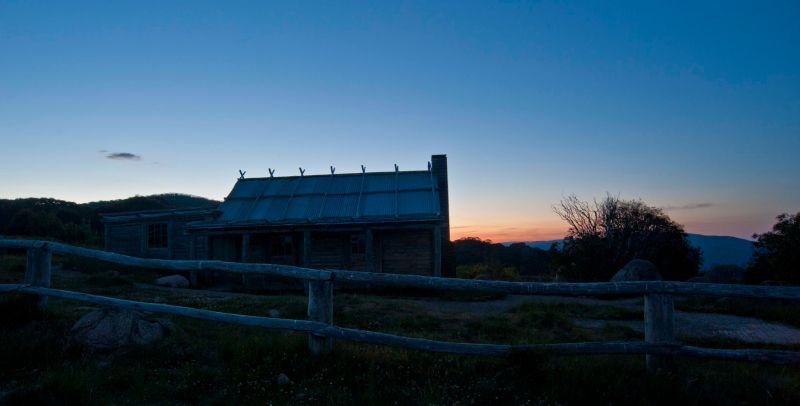
Historic huts, such as Bluff Spur Hut and Craigs Hut, were originally constructed by cattlemen as shelters from the region’s harsh alpine conditions. These huts now stand as enduring symbols of the rugged lifestyle and pioneering spirit of the High Country settlers.
The Rise of Mount Buller as a Ski Destination
The first signs of skiing at Mount Buller emerged in the 1920s when adventurous skiers began exploring its slopes. The official transformation into a ski destination began in 1948 with the establishment of the Mount Buller Alpine Reserve. The installation of the first ski lifts in the 1950s accelerated its growth, and by the 1970s, the village had developed into a thriving hub for winter sports enthusiasts.
Today, visitors can delve into Mount Buller’s rich skiing history at the National Alpine Museum, which showcases vintage ski equipment, historic photographs, and stories of the pioneers who helped shape the resort’s evolution. Currently celebrating 100 years of skiing, this is the perfect time to get to know the people, places and moments that have shaped Mt Buller’s history. If you want to feel even closer to the mountains legacy you can grab your souvenir of 100 years history or an outfit for Retro day at the NAMA shop. All sales support the museum. For extra historical points, visit one of the oldest ski resorts on Mt Buller, the recently refurbished and renamed Alberg House. An iconic institution since 1958, Alberg House offers the perfect place to unwind after a day of exploring, either in a relaxed cafe setting or in the beautifully appointed restaurant.
Preserving the Past While Embracing the Future
Mount Buller’s history is intricately woven into its landscape, from Indigenous cultural sites to cattlemen’s huts and the legacy of skiing pioneers. As the mountain continues to evolve as a premier alpine destination, its past remains an integral part of its identity, offering visitors a deeper appreciation of its breathtaking terrain and remarkable heritage.
With AMS Mt Buller you can become a part of this rich historical tapestry and make lasting memories that will be forever intertwined with the stunning alpine landscape.