
The Land of Contrasts: Rugged Peaks and Rich Habitats

While much of Australia’s wildlife is adapted to the harsh conditions of the outback, the Victorian High Country offers a very different ecosystem. Here, the climate shifts dramatically with the seasons, creating an environment that supports both alpine and temperate species. In winter, snow blankets the mountains, while in summer, the region is lush and green, perfect for hiking, camping, and spotting wildlife.

Meet the Locals: Mt Buller’s High Country Residents 

Mt Buller and the surrounding high country is home to a fascinating array of animals, many of which are found nowhere else on Earth. Let’s meet some of the standout characters that call this beautiful region home.

The Snowy Mountain Brushtail Possum 

You’ve probably heard of the common brushtail possum, but the Snowy Mountain variety is something special. These nocturnal creatures have thick, silvery fur that helps them blend into the cold, snowy environment. If you’re out for an evening stroll, you might catch a glimpse of one of these adorable marsupials as it scurries through the treetops or along fence lines, looking for food. They’re known for being a bit cheeky too – don’t be surprised if one drops down to say hello!

The Alpine Dingoes 

In the high-altitude regions of the Snowy Mountains, you might encounter the wild, elusive dingo – Australia’s iconic wild dog. These free-roaming predators have adapted to the cold, harsh conditions, and sightings of them are a rare and thrilling experience. Often seen in packs, they are known for their striking appearance with sharp ears and sleek fur. The High Country dingoes are often considered the most “purebred,” meaning they haven’t been crossbred with domestic dogs, making them a fascinating part of Australia’s wilderness heritage.

The Mountain Pygmy Possum 

One of the most endangered creatures in the High Country, the mountain pygmy possum is a tiny, nocturnal marsupial that spends most of its time hidden in rock crevices or under thick vegetation. About the size of a small mouse, this little creature is an expert climber and loves feasting on berries, insects, and seeds. But the mountain pygmy possum is in trouble – with its habitat threatened by climate change and the encroachment of humans, conservation efforts are crucial to ensure this little survivor continues to thrive.

The Eastern Grey Kangaroo 

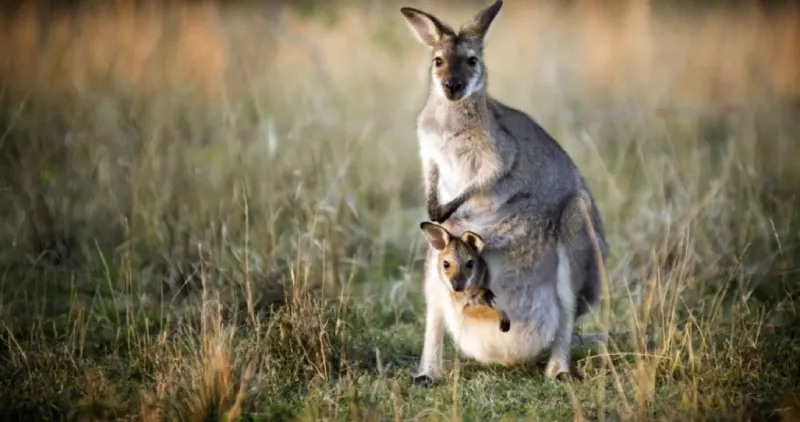
It’s not just the little critters that make the High Country their home – the iconic Eastern Grey Kangaroo is also a regular in the region. The High Country’s rolling hills and wide-open spaces are perfect for these majestic creatures. They can often be spotted hopping across fields or grazing peacefully under the shade of eucalyptus trees. In the early morning or late afternoon, their graceful silhouettes against the rising or setting sun make for a quintessential Aussie experience.

The Alpine She-Oak Skink 

For those who love reptiles, the alpine she-oak skink is a rare and fascinating species that lives among the rocky outcrops and high-altitude forests of the High Country. This bright green lizard is well-adapted to the cold, high-altitude environment and can be spotted basking in the sun on the rocks, where it enjoys the warmth before retreating into the shelter of the undergrowth. While these skinks are not commonly seen due to their shy nature, their presence adds a dash of color and excitement to any wildlife enthusiast’s trip.

Lyrebirds – The Masters of Song 

Among the birds, the superb lyrebird reigns supreme in the High Country. Known for its uncanny ability to mimic a wide range of sounds, including chainsaws, car alarms, and camera shutters, the lyrebird is a true performer. With their extravagant tail feathers that resemble the strings of a lyre, these birds put on a spectacular show during the breeding season, calling out to potential mates with their incredible range of sounds. Their hauntingly beautiful calls echo through the forests, making it a treat for birdwatchers.

Wedge-tailed Eagles 

Soaring above the High Country’s expansive vistas, the wedge-tailed eagle is Australia’s largest bird of prey. With its long, pointed wings and characteristic wedge-shaped tail, this magnificent raptor can be seen gliding effortlessly on the thermal currents, searching for prey. Their keen eyesight and majestic flight are a spectacle to behold, and spotting one of these eagles is a reminder of the wild beauty that defines the Australian wilderness.

Best Places for Wildlife Spotting 

  • Delatite River Trail – A great spot to see platypuses at dawn or dusk.
  • Summit Nature Walk – Perfect for spotting birds and alpine wildflowers.
  • Klingsporn Track – Wombats and wallabies often wander along this historic route.
  • Around the Village – Kangaroos are frequently seen near the outskirts of Mt Buller village.

Conservation: Protecting the Hidden Gems of the High Country

The Australian High Country’s wildlife faces significant threats, from climate change to habitat destruction. Species like the mountain pygmy possum and the alpine she-oak skink are particularly vulnerable, and the loss of their natural habitats could lead to extinction.

Thankfully, there are several conservation initiatives in place, including breeding programs and habitat restoration efforts, aimed at ensuring the survival of these rare and incredible species. Organizations are working tirelessly to protect the ecosystems of the High Country, and by visiting and supporting these efforts, you can play a part in preserving this natural treasure for generations to come.

How to Experience the High Country Wildlife

Whether you’re an avid hiker, a keen birdwatcher, or simply someone who loves the thrill of spotting wildlife in their natural habitat, the Australian High Country has something for everyone. There are numerous walking trails (see our post on hiking heaven!), 4WD tracks, and nature reserves throughout the region that offer visitors a chance to get up close to the area’s wildlife. For the best chances of spotting creatures like the mountain pygmy possum or a lyrebird, early mornings and late afternoons are the ideal times.

Tips for a Safe & Respectful Wildlife Encounter

  1. Keep Your Distance – Never approach or try to feed wild animals. Admire them from afar.
  2. Stay Quiet & Patient – Many animals are shy and will only appear if you remain still and quiet.
  3. Leave No Trace – Take all rubbish with you to protect the natural habitat.
  4. Watch for Signs – Look for tracks, scat, or sounds that might indicate nearby wildlife.

Mt Buller’s incredible wildlife makes every visit an unforgettable experience. Whether you’re spotting a kangaroo bounding across a trail or watching an eagle glide overhead, the mountain offers endless opportunities to connect with nature. So, lace up your hiking boots, grab your binoculars, and embark on an unforgettable adventure to the heart of Australia’s wildest and most wonderful landscapes. With numerous properties nestled deep in the heart of the bush AMS Mt Buller is the perfect place to start planning your wildlife adventure!